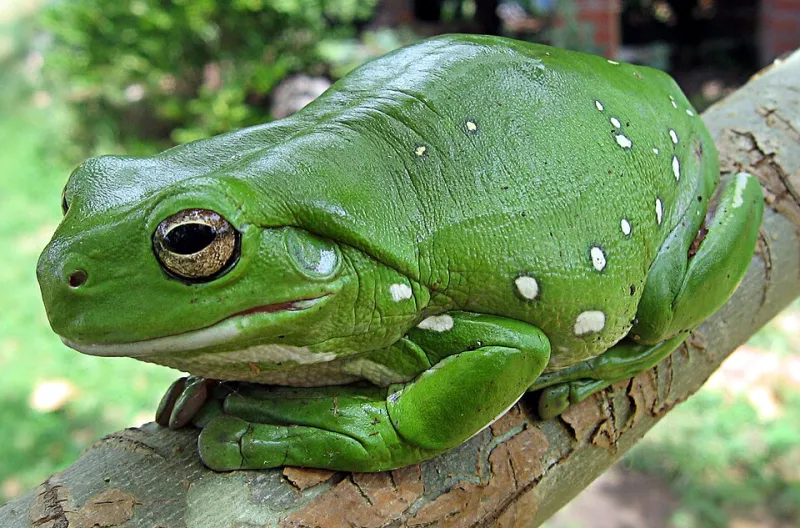
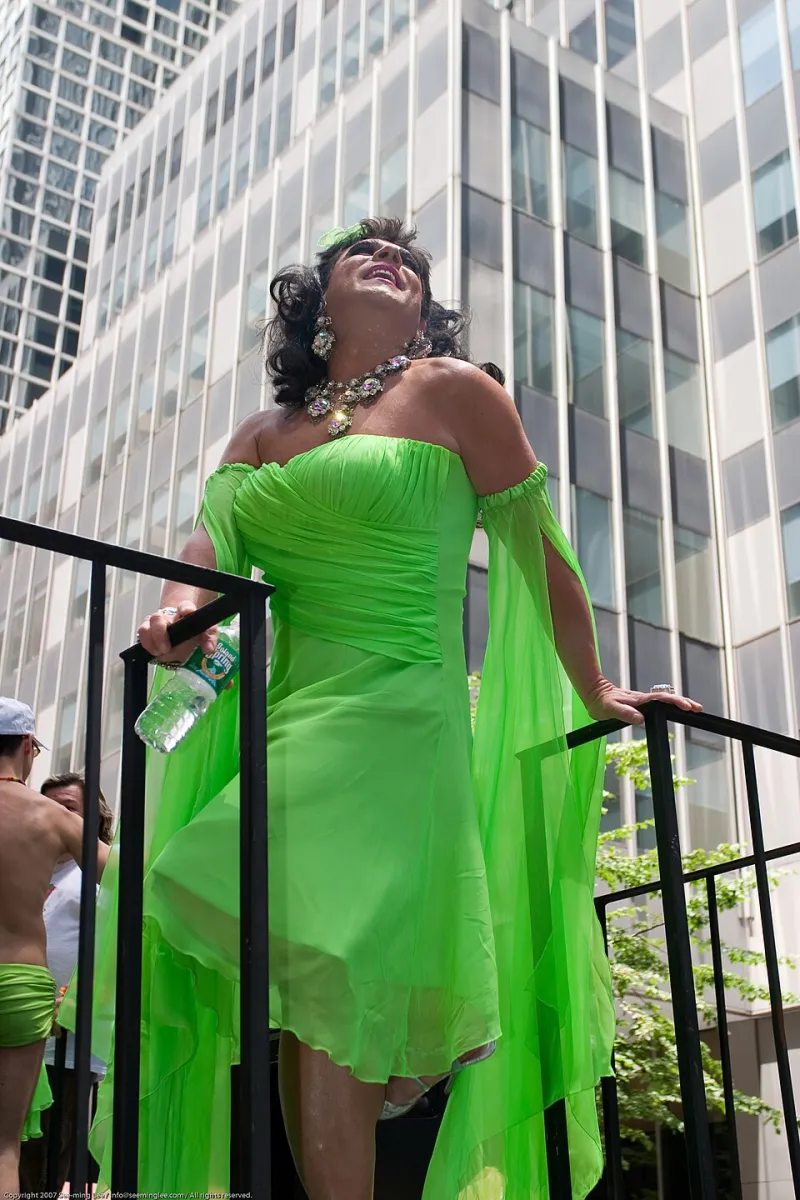
Ten Legendary Queer Album Covers, But the Frog Is on the Sleeve
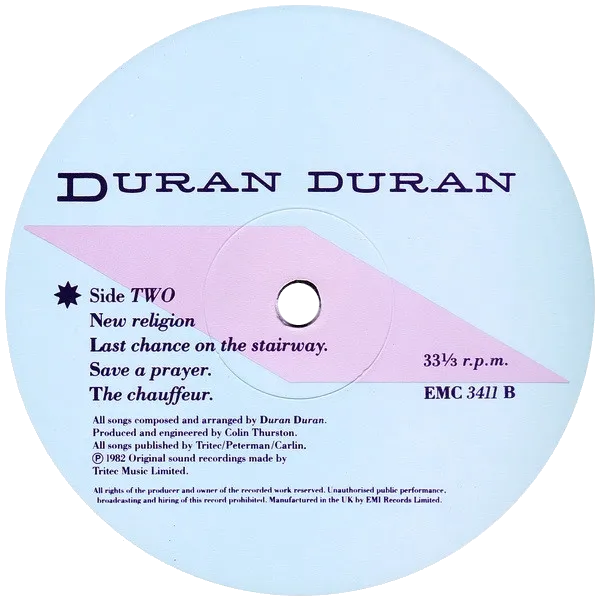
Photo: EMI Records, Public domain, via Wikimedia Commons
Album covers have always been queer billboards. Long before artists could be openly out on late-night television, the sleeve was where the coding lived: a glance, a silhouette, a suit that meant something. So naturally, we asked ourselves a question nobody needed answered: what if Pepe was on them?
Below, ten reimagined classics. The frog is doing his best. The history is real.
1. I Am... a Frog — the Diva Statement
The concept: a close-cropped green face, eyes closed, luminous against a black background, one lily pad earring catching the light. The original tradition: the stripped-back diva close-up — think Janet, think Adele's 21 — where vulnerability is the whole pitch. When a queer icon put her unguarded face on the cover, she was saying: you get me, not the spectacle. Pepe's closed eyes say the same thing. He is at peace. He is belting, presumably.
2. The Frog and the Piano Man — the Velvet Balladeer
The concept: sepia tones, Pepe at a piano in a feathered boa, gazing just off-camera like he's remembering someone. The tradition: the confessional singer-songwriter sleeve, where queerness lived in the space between the lines for decades. The men who couldn't say it directly sang it into piano ballads, and the covers — soft focus, averted eyes — said it too.
3. Disco Lily Pad — the Studio 54 Sleeve
The concept: Pepe in a white suit, arms spread under a mirror ball, motion blur on the legs. The tradition: disco covers were joy as resistance. When the culture tried to kill disco — and we all know what that really meant — the music and its glittering artwork kept dancing. A frog under a mirror ball is, frankly, the most correct use of a frog.
4. Court and Sparkle — the Androgynous Icon
The concept: Pepe in full glam, cheekbone highlight visible from space, one gloved hand on a hip. The tradition: the glam-era sleeve, where artists played with gender like a deck of cards and millions of closeted kids found the blueprint in a record store bin.
5. Smalltown Frog — the Outlaw Ballad
The concept: Pepe in a cowboy hat, sitting alone on a fence post at dusk. The tradition: the queer country album — yes, they existed, and yes, they were brave — where the cover had to look respectable while the lyrics told the truth. A lonely frog on a fence is the saddest image we've ever produced. We're sorry.
6. The Immaculate Croak — the Dance Floor Gospel
The concept: Pepe mid-leap, backlit, hair (fronds?) whipping, shot from below like a deity. The tradition: the house and dance diva sleeve — larger than life, shot from worshipful angles, because dance music built its own cathedrals and its vocalists were the saints.
7. Lilypad F — the Art-Pop Puzzle
The concept: Pepe's face in negative, half frog, half shadow, typography so cryptic you need a decoder ring. The tradition: the art-pop cover that treats the listener as smart. Queer artists perfected the art of the sleeve that means one thing to your mother and another to you.
8. Frogs in the Mist — the Anthemic Heartbreak
The concept: Pepe standing on a cliff in a long coat, wind machine clearly on, absolutely devastated. The tradition: the big-feelings rock sleeve. Queer anthems about longing needed artwork with matching weather.
9. Swamp Symphony — the Orchestral Crossover
The concept: Pepe in a tuxedo tail, baton raised, an orchestra of tadpoles behind him. The tradition: the moment queer artists stopped apologizing for ambition and put symphony on the cover. Camp at maximum volume.
10. Feels Good, Man (The Deluxe Edition)
The concept: Pepe smiling softly, arms crossed, plain white background, no text at all. The tradition: the victory-lap cover — the album an artist releases once they've won, out, and unbothered. It's the sleeve equivalent of exhaling.
Why We Bothered
Because the covers mattered. They were promises to queer listeners that someone, somewhere, was singing to them — even when the words had to hide. Pepe, himself a character who's been through the internet's wringer and come out the other side adopted by communities that refuse to let anyone else define him, fits right in. He's always been a little coded. He's always been ours.
Drop your dream frog-album pairings in the comments. We know you have them. The archive is listening.