We Polled the Nation: The Pepe Reactions That Carried Group Chats Through Election Season

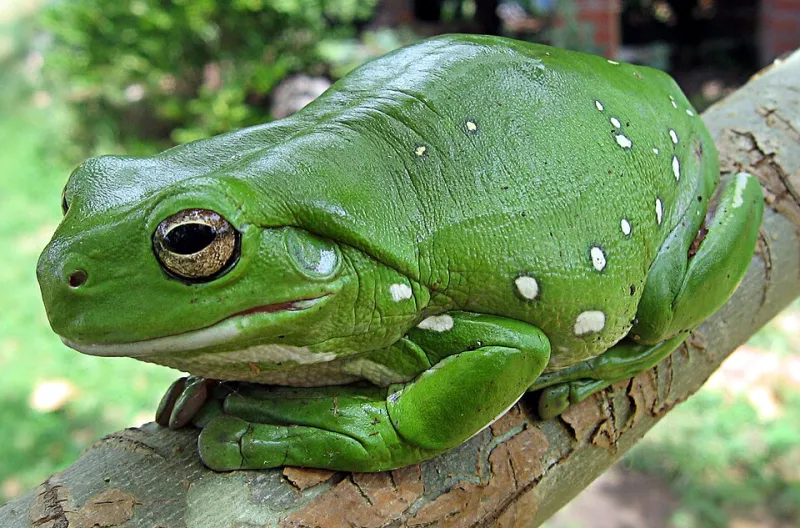
Photo: Giles Laurent, CC BY-SA 4.0, via Wikimedia Commons
Election years in America are a lot of things — loud, long, caffeinated, occasionally good for your step count if you're a nervous pacer. But above all, they are a meme economy, and no asset performed like the frog.
We surveyed 500 Americans about which Pepe reaction formats dominated their political Twitter timelines and group chats this cycle, then filtered the data through the only lens that matters at this website. What we found: LGBTQ+ voters didn't just use the frog to react. They used it to survive.
The Numbers, Charted (Emotionally and Otherwise)
No. 1: The Tired Pepe (31% of respondents). The universal response to the tenth debate take of the evening. One respondent described it as "the exact face I made watching returns from a rooftop bar in WeHo with a drink I could not afford."
No. 2: The Smug Pepe (24%). Deployed when your group chat called a race correctly before the networks did. Meme historian Dr. Priya Ramanathan calls this format "the victory lap of the politically online — short-lived, deeply satisfying, immediately followed by a new crisis."
No. 3: The Anxious Sweating Pepe (18%). Peak usage: 9 p.m. to midnight on election night, per our data. If you know, you know. If you don't, we envy you.
No. 4: The Sad Pepe With the Rain (14%). For the morning after a bad result in a state you had feelings about.
No. 5: The Pepe Approving Gently (9%). Rare, precious, used when a candidate said something actually decent about trans kids and the chat needed a moment.
Expert Commentary, Because We're a Serious Publication
"Memes function as emotional shorthand in moments of collective stress," Dr. Ramanathan told us. "For queer Americans especially, political cycles aren't abstract — the stakes are personal. A well-deployed frog is a pressure valve. It says 'I'm scared, I'm furious, and I'm still here' in one JPEG."
That tracks with our survey. Among LGBTQ+ respondents, 71% said they used Pepe reactions specifically as a coping mechanism during election coverage — a way to convert dread into something shareable, funny, and bearable.
How the Queer Group Chat Weaponized the Frog
Here's the pattern we kept seeing: queer group chats developed their own election-season dialect. The tired Pepe became a check-in — posting it was a signal flare that said I need to be distracted, please send me videos of dogs. The smug Pepe was community celebration, small wins passed around like snacks. And the sad rain Pepe? That was grief, made communal instead of isolating.
One respondent from Ohio put it beautifully: "My group chat is scattered across four time zones and three states with terrible ballot measures. The frog is how we held hands."
The Honorable Mentions
- Pepe Sipping Tea (7%): For reacting to a rival campaign's very bad day.
- Pepe Holding a Sign (4%): Actual civic engagement, frog edition.
- Write-in responses (3%): Including "Pepe at the DMV," which, fair.
The Takeaway
Strip away the charts and the percentages, and the story is simple: when the political temperature climbs, the internet's most contested amphibian becomes something unexpectedly tender — a shared language for people processing a high-stakes season together.
The frog carried us. The frog always carries us. Now somebody please check on the sweating Pepe; he's been through a lot this cycle.